A Teen's First Economics Lesson: How to Manage Your Allowance Well
For teens whose allowance vanishes before the month ends, this post explains a simple spend-save-share system, real school-life examples, and safe smartphone and AI habits.
A Teen's First Economics Lesson: How to Manage Your Allowance Well
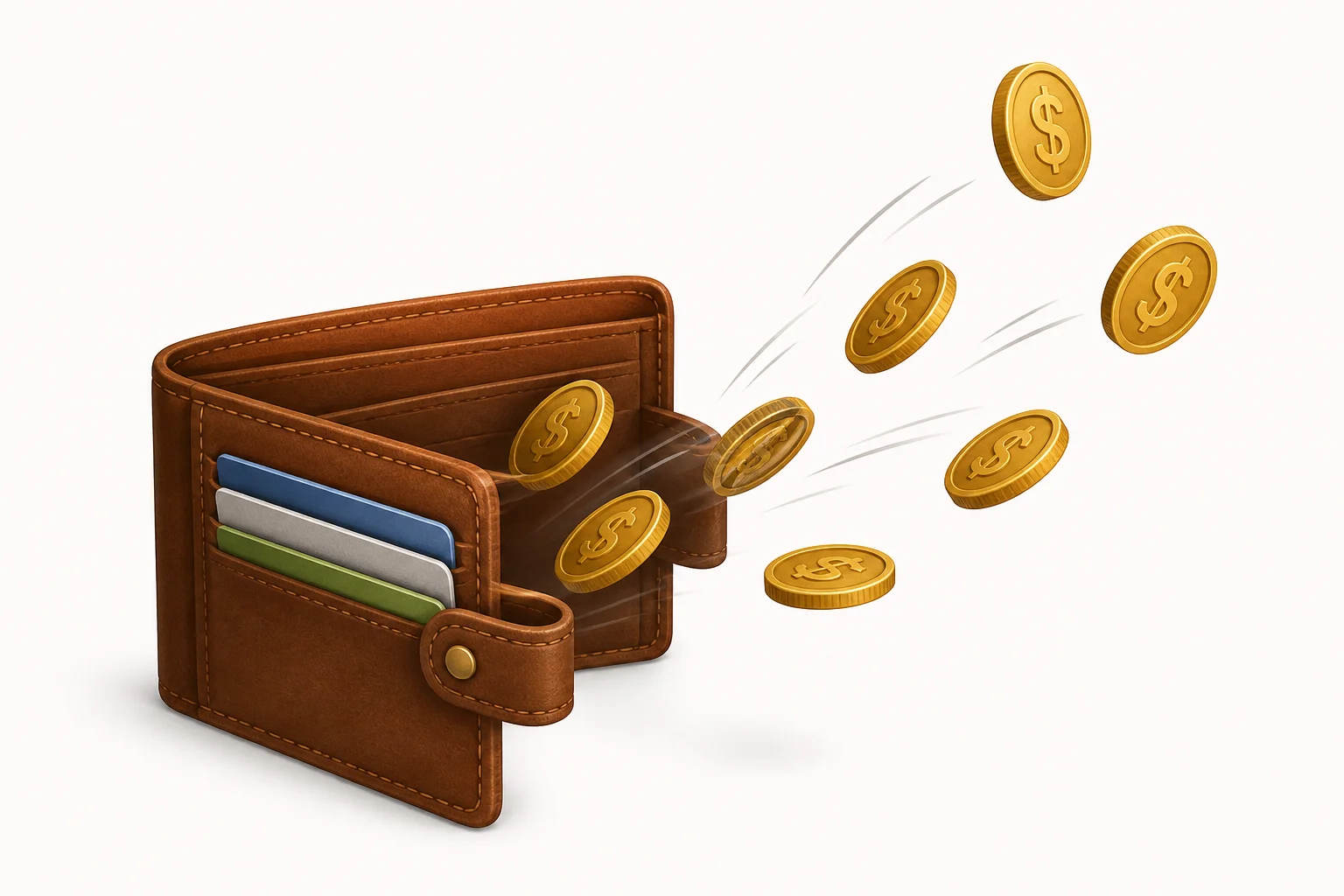
Rich at the start of the month, broke by the end. Sound familiar?
1. Intro: Where Did My Money Go?
You got your allowance on Monday. By Friday, half of it is gone. A snack from the corner store, tteokbokki with friends, a game item, a drink at a café. Each one is small, but together they add up.
This isn't about weak willpower. It happens because you can't see where your money is going. This post isn't a lecture. It's a way to help you decide what happens to your own money.
2. Why Does This Matter Right Now?
It's the best time to practice. Allowance is small, so mistakes cost little. Learning now is much cheaper than learning with your first paycheck.
Spending has never been easier. Tap-to-pay, in-game purchases, and social media ads make spending almost effortless. But nobody teaches you how to manage it.
Goals change how you study and plan. When you want something, money becomes a tool. It connects to your future too. If you want to learn video editing, you'll need money for equipment or courses.
3. The Key Ideas, Made Simple
① Income and Spending
Income: money coming in (allowance, gift money, or legal part-time work)
Spending: money going out
If spending is bigger than income, you run short. If it's smaller, you have some left. That's the whole foundation of economics.
② Need vs. Want
Need: something you'd have real trouble without (transit fare, school supplies, lunch)
Want: nice to have, but you'd be fine without it (limited-edition merch, a third earbud case)
One question is enough before you buy: "Would I be in trouble tomorrow without this?"
③ Opportunity Cost
It sounds fancy, but it's simple: what you give up when you choose something else. If you spend 15,000 won on fried chicken today, you've given up whatever else that money could have bought. That doesn't make it a bad choice. It just means you choose with your eyes open.
④ Interest
When you keep money in a bank, the bank adds a little extra as a thank-you. Rates differ by product and time, so check the bank's official app or website before you sign up.
4. Using It in Your School Life
The 3-Jar Method (this is an example system, so change the percentages to suit you)
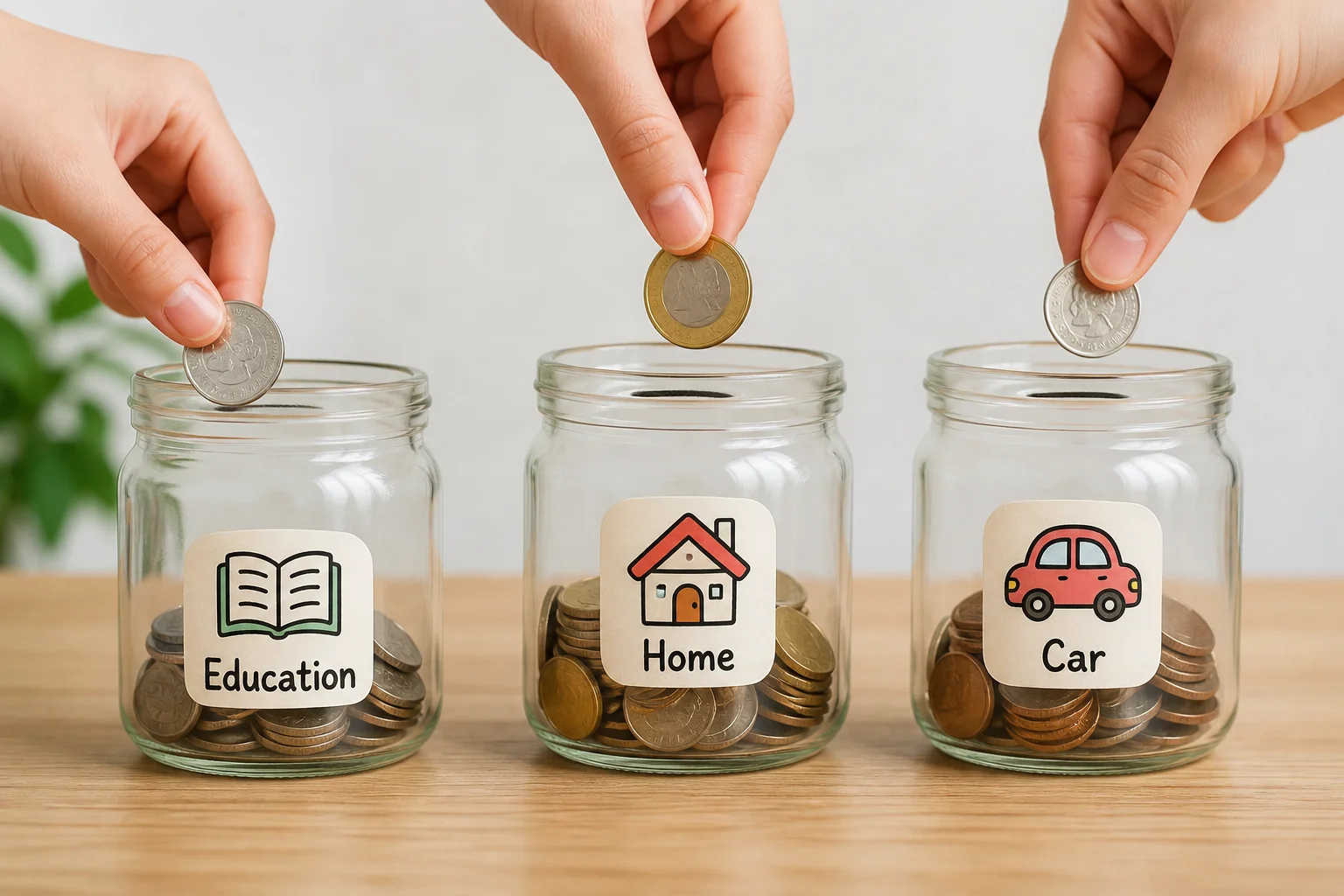
The moment you get your allowance, split it into three jars.
Jar | Purpose | Example % |
|---|---|---|
Spend | this month's snacks and hangouts | 50% |
Save | things you want, money for the future | 30% |
Share | gifts, donations, emergency cash | 20% |
With a monthly allowance of 50,000 won, that's 25,000 for Spend, 15,000 for Save, and 10,000 for Share. What matters is splitting before you spend. If you try to save whatever's left over, there's usually nothing left.
5. Real Situations and How to Handle Them (4 Cases)
Case 1. A friend says "Let's buy it together!"
A friend wants to buy new merch with you. You want it too, but your Spend jar is empty this month.
Fix: Say "I'm out of budget this month, maybe next month." A real friend will understand. If saying no feels awkward, try "I'll put it in next month's Spend jar." After a day or two, the urge often fades.
Case 2. Café spending during exams
Studying at a café and buying a drink each day costs 5,000 won a day, or 50,000 won in ten days.
Fix: Set an exam-season budget in advance. Use free spaces like the library or school study room first, and make a rule like "café only twice a week."
Case 3. Turn a goal into a 6-month plan
Say you want something that costs 120,000 won. Saving 20,000 won a month gets you there in six months. (20,000 × 6 = 120,000)
Fix: Write the goal, the deadline, and the monthly amount on paper or in a notes app. A visible goal reduces impulse buying.
Case 4. Spend smartly with secondhand
You can buy used items instead of new, or sell things you no longer use.
Fix: Secondhand trading comes with scam and privacy risks. Minors often need a guardian's help, so meet in a public, busy place, and be wary of anyone who asks for payment upfront or wants to move to a different messenger.
6. Beginner Steps (Start Today)
Write down this month's allowance.
Split it into three jars. Adjust the percentages to your situation.
Log every purchase. A paper notebook, notes app, or spreadsheet all work. Write the date, what it was, and how much. 30 seconds a day is enough.
Do a 5-minute check once a week. Just find one thing: "Which purchase this week did I regret most?"
Review at month-end. Missing your plan isn't failure. It's data. Adjust next month's percentages.
Using AI Safely
You can ask an AI chatbot things like:
"Make an example 3-jar budget table for a middle schooler with a 50,000 won monthly allowance."
"Give me 5 ways to cut down on impulse buying."
But never type these in:
your name, school, address, or phone number
account numbers, card numbers, passwords, or verification codes (OTP)
screenshots that show your real balance
Example numbers are enough to get useful help. And AI can be wrong, so double-check anything that must be accurate, like financial products or interest rates, with the bank's official information.
7. Things to Watch Out For
Small payments pile up. Auto-renewals, free trials that turn paid, and random-chance game items are especially risky. Check your payment history regularly.
Never share verification codes or payment details. That goes for friends and for strangers who offer to "help."
Don't trust "easy money" ads. Scams aimed at teens exist. Be suspicious of "guaranteed returns" or "profit for sure."
Be careful lending money to friends. It can make things awkward. Even for small amounts, agree on the amount and the repayment date.
Payment rules vary by service. Minors may need a guardian's consent, so read the terms of the service you use.
Don't compare yourself to others. Allowance differs from home to home. What matters isn't how much you get, but how you use it.
8. Key Takeaways
Money disappears because you can't see it, not because you lack willpower.
Split your allowance into Spend, Save, and Share as soon as you get it.
Before buying, ask: "Would I be in trouble tomorrow without this?"
Logging takes 30 seconds a day, and checking takes 5 minutes a week.
Never share payment or personal information, with people or with AI.
9. Good to Know Next
Build an emergency fund: add a little to your Share jar for sudden needs.
Keep a spending diary: after a purchase, write one line about how you felt. You'll learn what spending really makes you happy.
Next steps to learn: start with the words saving, interest, inflation, and credit. Public institutions often offer youth financial education materials, so search for the latest ones yourself.
Connect it to your future: doing what you love will sometimes need money. Managing allowance now is a rehearsal for that.
Your one task today: split this month's allowance into three jars and write it down. That's the start of your first economics lesson.
This post is general educational information. It does not recommend any specific financial product or give investment advice.